
Getting your real estate license and passing the real estate exam is only the beginning of your journey in the real estate world. As an agent fresh from real estate school, you're not only tasked with Read more...
Getting your real estate license and passing the real estate exam is only the beginning of your journey in the real estate world. As an agent fresh from real estate school, you're not only tasked with helping your clients find their dream home but also offering them advice on how to keep that home secure once they've settled in. Home safety is an essential aspect of homeownership that many people may overlook, but it can make all the difference in providing peace of mind for your clients.
Change the Locks Immediately After Moving In
After your client has closed escrow on their new home, one of the first recommendations you should make is to change all the locks. During the home-buying process, multiple individuals may have access to the keys, including other real estate agents, appraisers, and contractors. To ensure maximum safety, advise your clients to replace all the locks as soon as the sale closes, ideally before moving in or starting any renovations. This is a simple yet effective first step in home security that might not be covered in a traditional real estate school curriculum but is a crucial tip for new homeowners.
Hide Alarm System Wiring
Many homeowners choose to install alarm systems for added security. If your clients decide to do this, remind them to conceal all the alarm system wiring. Exposed wires could be cut by intruders, thereby disabling the system. Though professional installation companies usually take care of hiding the cables, if your client opts for a DIY approach, this tip could be invaluable. Safety precautions like this are only sometimes emphasized in real estate license courses but are essential to maintaining a secure home.
Keep Entryways Clear When Landscaping
In your real estate school, you've probably learned about the importance of curb appeal. While landscaping is an important part of this, it's crucial to remind your clients to keep safety in mind when designing their outdoor spaces. Bushes and trees can enhance a home's aesthetic appeal, but if they're too close to the house, particularly near doors and windows, they could provide cover for potential intruders. Encourage your clients to plan their landscape design to leave entryways clear and visible.
Encourage Clients to Build Relationships with Neighbors
One safety tip often overlooked in traditional real estate education is the value of community. Encourage your clients to get to know their neighbors. A close-knit neighborhood community can be a strong deterrent against crime. While they don't need to be best friends with everyone, being on good terms and maintaining open communication with those living nearby can provide an extra layer of security.
Illuminate Dark Areas Around the Property
Ensuring proper exterior lighting can significantly increase home safety. Advise your clients to identify and illuminate any dark areas around the property. Well-lit exteriors are less attractive to potential intruders, who are more likely to target homes that offer easy, concealed access. This goes beyond what's taught for the real estate exam and falls under the practical advice you can provide as a real estate agent.
Establish a Safety Routine
Installing locks, alarms, and lights is one thing, but maintaining them is equally important. Encourage your clients to establish a safety routine. This could include nightly checks of all doors and windows, monthly tests of the alarm system, and bi-annual checks of outdoor lighting and smoke alarms.
Install a Home Security System
While this might seem an obvious suggestion, it's worth mentioning because of its significant role in home security. Today's home security systems have evolved and offer a variety of features, including smart technology integration, real-time monitoring, mobile alerts, and even emergency service dispatch. While the potential cost may initially put off many homeowners, a security system's added security and peace of mind can be invaluable. As an agent, you can remind your clients that various options cater to different budgets and requirements.
Regularly Check and Update Exterior Doors and Windows
Doors and windows are the primary entry points for intruders. Encourage homeowners to regularly check the condition of all doors and windows, making sure they close and lock properly. Reinforce doors with deadbolts and consider upgrading to solid-core doors, which offer better resistance against forced entry. Safety measures for windows include adding window security film, installing window or glass break sensors, and using window bars (Ugly, but might help depending on the area. Make sure these are up to code, however and allow fire release and other legally required features.)
Use Timers for Lights and Electronics
Have you ever seen a house with lights, a TV, or a radio on and assumed someone was home? Well, that's precisely what timers for lights and electronics can do - they can trick people into thinking someone is at home even when the house is empty. This is a great trick to keep your home safe, especially if you're away for a vacation or won't be home for a while.
So, how do timers work? It's actually pretty simple. A timer is a device that you can set to turn your lights, TV, or radio on and off at certain times. For example, if you're away, set the timer to turn on your living room light at 7 p.m. and turn it off at 10 p.m., just like you would if you were home.
The cool thing is, with new technology called "smart home technology," you can manage these timers with an app on your smartphone. That means you can control your home's lights and electronics from anywhere. So, even on vacation far away, you can use your phone to turn on your lights or TV back at home.
Using timers like this can make your home safer by making it seem like someone is home. Most people who might try to break into a house would think twice if they thought someone was there. So, using timers for your lights and electronics can help protect your home, even when you're not there!
Be Cautious with Social Media
While this may not be the most traditional safety advice, in the digital age, it's increasingly relevant. Advise your clients to be cautious about what they share on social media. Posting about being away from home could alert intruders that their property is unoccupied. Sharing vacation photos or posts after they've returned home is advisable rather than during their time away.
As a real estate agent, your job extends beyond passing the real estate exam and helping clients find new homes. By providing these tips and continuing your real estate education beyond what's taught in real estate school, you can help ensure your clients feel secure and satisfied in their new homes.
Your journey toward getting a real estate license has given you the skills and knowledge to guide your clients in home buying. Now, with these safety tips, you're better equipped to provide them with valuable advice for their life as homeowners.
As always, if you are interested in getting your real estate license visit www.adhischools.com or call us at 888-768-5285.
Love,
Kartik
|

The one constant in home decor is that tastes are always changing. The styles that turned heads just a few years ago are now starting to roll eyes. What can you do to keep your home looking modern? Read more...
The one constant in home decor is that tastes are always changing. The styles that turned heads just a few years ago are now starting to roll eyes. What can you do to keep your home looking modern? Here’s a preview of what you’ll see in the coming year.
Patterned Hardwood Floors
Your home is more than just a place to dwell - it’s a way for you to express yourself. And while anyone can get a carpet, having a patterned hardwood floor is a true testament to your unique personality. A shape or pattern on your floor breaks up the monotony of plain flooring while adding an individual flourish that makes your floor all your own.
Taking a minimalist approach can also be highly effective. Instead of making a big shape, you can sporadically accent your floor with wood of a different shade. Think of a basketball court and the different pieces of wood you might see on the floor. It’s a neat way to approach the traditional yet trendy hardwood floor.
Black Accents
An overly black color scheme can appear a bit drab or even morbid. But using black accents to add to a bright color scheme is highly effective. The key is the idea of highlighting negative space -- in other words, the area surrounding objects in the room. If those items simply exist in a white room, they’re just there. A bit of black to accentuate your decor can break up the white, making the room appear bigger, fuller and more elegantly decorated. Of course, it’s easy to get carried away with accents of any kind, so start small and take a slow but steady approach toward getting your rooms to pop.
Natural Lighting
It’s well-known that the sun provides more than light -- it also provides a nice little boost of serotonin, which helps increase moods. Plus, natural light helps to save on lighting costs and reduces strain on the environment. Therefore, natural lighting is a natural fit in modern homes. Large windows and skylights are becoming more commonplace, enabling homeowners to save money while getting more exposure to the sun. It’s a win-win that benefits everyone, while also giving you a more fashionable home.
Light Colored Floors
With carpets less popular in modern times, your flooring matters more than ever. And a light colored floor can help to make your rooms look bigger and brighter. What’s more, light colored flooring pairs well with the patterns floors we discussed earlier, giving you something bold to go alongside a floor that’s easy on the eyes. Best of all, a light floor works in any type of house, from a sleek modern home to a more traditional cottage.
Versatile Spaces/Home Offices
With so many people working from home these days, an office is a must in any home. But what happens when you go back to work, especially if it’s not a full-time return to the office? You want a room that can function as an office, but can also be used in other ways. A room that’s an office now can also become a lounge, a display room, a guest room or any number of purposes. Use your imagination and find decor that works for the office and for any other uses you might have for that space.
Mixing Dark and Earthy Tones
Earth tones -- colors you typically see outside -- are frequently cited as home design staples. However, it’s not always clear how you should work in those colors. Mixing dark colors into those earthy tones helps those unique colors to stand out amid dark backgrounds. The combination can really make your earth tones pop, especially if you’re already utilizing bright rooms with light floorings and plenty of natural light. It’s a winning formula that’s sure to wow your guests and put a smile on your face every day.
|

You don't need to attend a real estate school, such as ADHI Schools, or pass the real estate license exam offered by Crash Course Online to understand that investing in real estate can be highly rewarding. Read more...
You don't need to attend a real estate school, such as ADHI Schools, or pass the real estate license exam offered by Crash Course Online to understand that investing in real estate can be highly rewarding. In this article, we'll delve into the many benefits of property ownership and discuss how furthering your education and obtaining a license can enhance your ability to capitalize on these advantages.
Steady Passive Income
Many view real estate ownership (particularly home ownership) as a practical solution – no rent payments and stability for years. However, the benefits of owning real estate extend far beyond that, regardless of your investment goals or motivations.
Even if you are starting your real estate journey, you know that real estate offers significant financial rewards, including tenant-paid passive income. Besides the recurring monthly income, property values typically appreciate faster than inflation rates. Over the past 30 years, real estate values have risen by over 5% annually, with recent years showing even more significant increases. This growth makes real estate an attractive option for those looking to establish roots, stabilize their family, or invest in rental properties.
Financial Security
Whether you are discussing owning a single-family home as a primary residence or a rental, real estate ownership is a powerful tool for achieving financial security, as it serves as a tangible asset with the potential for long-term appreciation. By investing in real estate, you can build equity, increasing as you pay your mortgage and the property value rises over time. This equity can be utilized in various ways, such as securing loans or providing a cushion during challenging times. Additionally, rental properties generate a steady stream of passive income, which can contribute to overall financial stability by offsetting mortgage payments or supplementing your primary income source.
Moreover, real estate investments typically offer a hedge against inflation and can diversify your investment portfolio, reducing risks associated with economic fluctuations. Owning real estate paves the way for long-term financial security by providing multiple avenues for wealth generation and protection.
Tax Benefits
Owning real estate offers numerous tax benefits that can significantly enhance an investor's financial situation. One of the most notable tax advantages is the mortgage interest deduction. Up to a specified limit, homeowners can deduct the interest paid on their mortgage from their taxable income, reducing their overall tax liability. In the early years of a mortgage, when the interest payments are generally higher, this deduction can be particularly beneficial.
Another tax benefit of real estate ownership is the property tax deduction. Homeowners can typically deduct up to $10,000 of their local and state property taxes from their taxable income. This deduction can result in substantial tax savings, especially for individuals residing in areas with high property tax rates.
For rental property owners, there are additional tax benefits. They can claim deductions for expenses related to their investment properties' management, maintenance, and operation. These expenses may include repairs, property management fees, insurance, and travel costs associated with maintaining the property. Check out our blog on DIY repairs here if you are a handy investor. Furthermore, rental property owners can take advantage of depreciation deductions, which allow them to recover the cost of their investment over time. Depreciation essentially acts as a non-cash expense, offsetting rental income and reducing the taxable income derived from the property.
For investors, another valuable tax benefit of real estate ownership is the 1031 exchange. This provision allows investors to defer capital gains taxes when selling an investment property, provided they reinvest the proceeds into a like-kind property within a specific time frame. By deferring taxes through a 1031 exchange, investors can rapidly grow their wealth and maintain a more diverse real estate portfolio.
Stability
Imagine a future where you enjoy unparalleled stability and peace of mind, all thanks to a single wise decision: real estate ownership. Unlike the uncertainties of renting, owning a property secures your position, allowing you to take control of your living situation and financial destiny. When you own a home, you eliminate the need to rely on landlords, worry about rent hikes, or face the constant threat of eviction. Instead, you're planting your roots, taking charge of your life, and laying the foundation for long-lasting stability.
In contrast to the precarious nature of renting, real estate ownership allows you to build equity over time. As you pay down your mortgage and your property appreciates, you'll accumulate wealth that can be used for various purposes, such as funding your children's education, financing your dream vacation, or serving as a cushion in times of financial hardship. Furthermore, owning a property provides a sense of accomplishment and pride, knowing you've made a wise investment in your future. This investment offers financial stability and contributes to your emotional well-being as you enjoy the satisfaction of having a space to call your own.
Moreover, real estate ownership offers protection against market fluctuations, making it a relatively stable investment compared to other options like stocks. While the value of stocks can swing wildly based on economic factors and global events, real estate has historically demonstrated consistent growth and resilience, even during periods of economic turmoil. This stability is further amplified by the real estate being a tangible asset backed by the intrinsic value of land and structures, ensuring it will always hold some value.
Stronger community ties
One persuasive argument for the belief that homeowners have stronger community ties than renters is rooted in the long-term nature of homeownership. When individuals or families invest in purchasing a home, they acquire a physical structure and become a part of the local community. This long-term commitment often leads homeowners to develop a vested interest in the well-being and success of their neighborhood. Consequently, they are more likely to engage in activities that contribute to the community's stability, safety, and overall development. Even as a real estate professional, you’ll want to learn how to host these community events to tap into the residents in the area and the community at large to brand yourself as the go-to-agent in the area.
Homeowners are also more likely to form deeper connections with their neighbors, as they share common concerns and goals for their community. This sense of belonging fosters cooperation and mutual support, strengthening social bonds and collective action to address local issues. For instance, homeowners may join neighborhood associations or participate in local events, helping to create a sense of unity and shared purpose. These connections ultimately contribute to a safer, more resilient community better equipped to face challenges and celebrate successes together.
Furthermore, homeowners who take pride in their property are more likely to maintain and improve their homes, yards, and surrounding areas. This investment in the local environment enhances the neighborhood's aesthetic appeal and sends a powerful message about the community's values and priorities. As a result, areas with high homeownership rates often experience lower crime rates, increased property values, and a greater sense of safety and well-being among residents.
In conclusion, the long-term commitment and shared interests that come with homeownership encourage individuals and families to invest their time, energy, and resources in their communities. This increased investment leads to stronger community ties, improved neighborhood stability, and a safer, more vibrant living environment for all residents. While renting may offer certain short-term advantages, homeownership fosters a more profound sense of connection and responsibility that ultimately benefits the individual homeowner and the entire community.
Retirement security
A compelling argument favoring homeownership as a means to secure financial stability during retirement revolves around reduced or eliminated housing costs. For many retirees, housing expenses constitute a significant portion of their monthly budget. By owning a home that is fully paid off by the time they retire, homeowners can effectively eliminate one of their most significant financial obligations, freeing up resources for other needs and desires during their golden years. In contrast, renters will likely continue to face rent payments throughout their retirement, which can be particularly burdensome when living on a fixed income, especially if the rent increases with regularity.
In addition to reduced housing costs, homeownership can also provide retirees with a valuable financial asset. As the value of a home typically appreciates over time, homeowners can benefit from the increased equity they have built up in their property. This equity can be accessed during retirement in several ways. For instance, retirees may choose to downsize by selling their current home and purchasing a smaller, more affordable property, thus freeing up cash to supplement their retirement income. Alternatively, they may opt for a reverse mortgage, converting a portion of their home's equity into tax-free income without selling or moving.
Moreover, homeownership offers retirees the flexibility to generate income by renting out a portion of their property. This option can be particularly advantageous for those with additional space, such as an in-law suite, a finished basement, or a separate dwelling unit. By renting out this space, retirees can establish a steady stream of income that can help them maintain their quality of life and cover other expenses during retirement, such as healthcare costs and leisure activities.
Homeownership provides retirees with significant financial advantages contributing to a more secure and comfortable retirement. By eliminating or reducing housing costs, offering the opportunity to access built-up equity, and presenting options for additional income generation through renting, homeownership serves as a reliable foundation for financial stability in one's later years. Contrastingly, renters may face ongoing housing expenses and a lack of financial flexibility, potentially leading to a more challenging retirement experience.
The end of the day, the numerous benefits of homeownership solidify its position as a superior option to renting and a practical path to wealth creation. By allowing individuals to build equity, providing long-term stability and control, and offering tax benefits, owning a home is a wise financial decision. Moreover, homeownership fosters stronger community ties, ensures privacy, and instills a sense of pride and accomplishment. Additionally, real estate ownership demonstrates its enduring value as a hedge against inflation and a means of securing financial stability during retirement.
Investing in real estate empowers individuals to take charge of their financial future, transforming their living space into a tangible asset that can generate wealth and security for years.
Love,
Kartik
|

As you look to improve your living situation, that age-old question has likely come up: “Is it really a good time to buy a house?” There’s no one right answer for everyone, of course. But with Read more...
As you look to improve your living situation, that age-old question has likely come up: “Is it really a good time to buy a house?” There’s no one right answer for everyone, of course. But with a look at the most favorable months for home buying, the overall market conditions, and your personal factors, you can make the best decision for your needs. To help you get started, here’s a look at what to consider on your mission to find the best time to buy a house.
Find Favorable Months
The time of the year you plan to buy a home matters when it comes to pricing, inventory, and ease of tackling your move. Each real estate market responds to the seasons differently, especially when severe weather systems come into play.
In areas with heavy snowfall, for example, winter brings a marked decrease in inventory because many people don’t want to move in the snow. In tornado-prone areas, the spring might come with lower inventory numbers instead. The silver lining is that inventory decreases bring down house prices due to the low competition for housing.
In general, late summer and early fall offer the best balance of inventory and pricing. To make sure, just ask a real estate agent in your area for the inside scoop about the best months for homebuying.
Look at the Market Conditions
Market conditions can have a big impact on everything from inventory and pricing to mortgage terms and interest rates. To figure out if the market favors your homebuying journey, take a good look at the overall real estate market conditions nationwide and in your area.
Then, look at the current state of the economy along with projections for the coming year. After that, you must look at your local job market, including the unemployment rate, to see how your local economy is faring.
Then, look at the current state of the economy along with projections for the coming year. After that, you must look at your local job market, including the unemployment rate, to see how your local economy is faring.
Consider When It’s the Best Time for You
No matter what the market is doing, your homebuying journey must happen on your time schedule. If you need housing right away and cannot find rentals that suit your needs, then it might be wise to start looking for a home to buy. Before you can do that, you must make sure that your income, savings, and credit score are ready for the mortgage application process.
If everything lines up, use your findings from the prior sections to get ready for what lies ahead. In periods of excellent housing availability, you’ll need to prepare for higher prices, bidding wars, and lots of showing appointments. When inventory is low, prices might come down, but you’ll have to look long and hard for a property that meets all your needs.
As you consider all these factors, it’ll become quite clear if it’s a good time to buy a home or if you should wait it out a bit. Just remember that market conditions can always change either way, so waiting it out might not get you the results you seek. But as long as you practice your due diligence, you’re on the right track to ensuring your success in properly timing your home purchase.
|

The need for a quick sale is prompted by an opportunity. People, family, job change, or other needs mean that your client has to sell fast. No matter the reasons, a quick sale can often be a tough promise Read more...
The need for a quick sale is prompted by an opportunity. People, family, job change, or other needs mean that your client has to sell fast. No matter the reasons, a quick sale can often be a tough promise to make, even in a booming real estate market. Employing the tactics below can give you and your client the best chance of selling quickly for the price that you want.
1. Cultivate contacts with as-is buyers.
House flippers and people who buy real estate for the rental income are two groups who are typically open to as-is purchases and quick closing. Keep a list of these buyers as you encounter them and reach out when you have a property you want to sell in 7 days.
It pays to keep these relationships fresh even when you do not have a home to sell quickly. Email regularly to check in and ask about the types of properties they are currently seeking. Forward news articles that are of interest. By reaching out regularly, you keep yourself top of mind so they are quick to open your emails when you have a great property to share.
2. Give your sellers a crash course on staging.
First impressions always matter, but never as much as they do when you want to sell fast. Helping your sellers prep their home for market can make a huge difference in your results. Talk to them about the importance of tucking away personal items and removing furnishings to make rooms look bigger. Teach them how to show off features like great storage. In some cases, it can be worth the expense of bringing in professional home stagers.
By ensuring that the home looks beautiful and inviting for every open house and tour, you can increase the chances of winning a buyer's heart.
3. Suggest some quick, high-impact updates.
When you want to sell a listing in 7 days, there's no time for an extensive kitchen remodeling project. But, small, high-impact updates can help a lot.
Start with a focus on curb appeal. A freshly painted home entrance and neatly manicured landscaping start things off on the right foot. Inside, a fresh coat of paint can change the entire feel of a room. Finalize the effect with new lighting that makes the home look bright and welcoming.
4. Take amazing photos.
With today's phones, everyone has the ability to take images worthy of Architectural Digest. Increasing your skill with natural lighting photography can help you get great results. Professional photography lighting may be needed to get the best results in some rooms.
The right lighting and composition can truly showcase the elements that makethis property the perfect new home for one lucky buyer.
5. Invest in paid social media.
Organic growth on your social media channels helps with day-to-day exposure. But, when you have a special listing that you want to move fast, it can pay to invest in promoted posts. Careful audience curation ensures that your posts show up in front of the audience most likely to want to look at the home for sale.
It is also a good idea to be on multiple platforms. Facebook is a common choice, but do not neglect Instagram and Pinterest. Even TikTok can be useful. There are a number of agents who have amassed massive followings by presenting home tours on the video short app.
6. Optimize your real estate listings.
Listing sites like Zillow and Trulia offer far more listing customization than the MLS board does. Update your written description of the property with a call to action. Include your name and phone number and tell interested buyers how to get in touch.
You should also update your listing photos for the best impact. These sites automatically add all the images from your local MLS. Choose the best image of the front of the property and put it in image slot #1. For extra impact, edit the photo to add a custom banner with your contact information and your logo.
7. List low and start a bidding war.
An expert with Forbes Real Estate Council said that she had great success listing great homes for around 10% less than their current value. The combination of a well-staged home with great pictures and a low selling price brings in a ton of interest. Potential buyers are intrigued because one of the best looking houses in the area is also going for far less than comparable properties. By the time potential buyers are making offers, they will often push the price much closer to the seller's target price.
There is no one strategy that will guarantee a sale in one week. But, using the tips above can dramatically increase your chances of closing the deal quickly.
Love,
Kartik
|

One of the best ways to ensure success as a real estate agent is to be an active and contributing member of your local community. Being a recognizable face provides you with a sustainable stream of Read more...
One of the best ways to ensure success as a real estate agent is to be an active and contributing member of your local community. Being a recognizable face provides you with a sustainable stream of prospects. It also gives you a chance to show your community that you care. Hosting community events allows you to connect with neighbors, build new connections, and highlight the vibrant culture of your local area.
Best Community Events for Real Estate Agents
There are many types of events you can organize to give something back to your community. The right ones for you will depend on your interests, talents, and what works best with the community around you. A few great examples:
holiday events. During the summer months, consider 4th of July outdoor concerts, picnics, and other fun in the sun. Spring provides opportunities for Easter Egg hunts. Get creative with charitable drives at Thanksgiving or Christmas.
professional workshops. These types of events can bring together groups who are interested in subjects like real estate investing or home improvement.
game nights. Choose a local charity to support with raffles or bingo, then invite everyone to have fun.
Benefits of Putting on Community Events
A community event can be a lot of work, but it provides great rewards for you and your community. Some of the benefits you can see from hosting an event:
awareness of your brand. This is a chance to get face to face with members of
your community. Hosting regular events helps you solidify your role as the real
estate agent local people think of first.
networking. People typically find a real estate agent by either approaching one they already know, or talking to someone in the community who they trust. By hosting events, you get a chance to meet new people and make valuable connections.
goodwill. Hosting a memorable evening or contributing to a local cause is something people remember.
How to Host an Event
Putting together a successful event takes a lot of work and organization. Think about what you will need for your event to work.
First, set a budget. This sets the stage for everything else that follows and allows you to determine the scope of your event.
Who is the optimal audience for your event? Think of the types of people you represent as a real estate agent and what would interest them most. If you mostly work with people who have small children, a child-oriented event like meeting Santa can be a great fit. An agent who works with retirees may decide to host a lecture or a classic rock music night.
Will you provide food and drinks at the event? Are there going to be giveaways or gift bags? See who you can connect with in the community for this. For instance, you can hire a local caterer for food, or source gifts and prizes from local businesses.
Partnering with other local businesses can help defray costs and share the benefits. For instance, you can reach out to a local event space for donated space for a charity event. Local radio stations may be amenable to interviewing you before the event or hosting a show from your location. Ask businesses in the community to put up posters and flyers to promote the event.
Determine how you will collect contact information from attendees. For small events, pre-registering or having a sign in sheet is a great way to get names, phone numbers and emails. for larger events, consider options like drawings where people share their contact info on either their business cards or a printed entry.
Once you have a concept and a place to host, it's time to start working out the details. Will you need event insurance? Do you need to set up a schedule and fill it with speakers? Do you need materials like signs, agendas, or worksheets?
Making the Most of the Benefits
A successful event can provide returns for weeks and months afterward. Create an event hashtag and encourage people to post their photos from the occasion. Take quality pictures of your own and print them to display in your office.
After your event, reach out and thank everyone who contributed. This sort of appreciation can cement the good will you generated by bringing everyone together.
If an event works well, consider making it an annual occasion. The more years you are able to host this event, the deeper your connections to your community, and your influence in it become.
Over time, you become the person people think of first when they are ready to buy or sell a local home. You'll be recognized as someone friendly and helpful, and just the sort of person they want in their corner when it comes to this important transaction.
Love,
Kartik
|

Both prospecting and advertising can be great ways to bring in more clients for your real estate business. As an agent, you'll probably want to spend your time doing a little of each. But it's Read more...
Both prospecting and advertising can be great ways to bring in more clients for your real estate business. As an agent, you'll probably want to spend your time doing a little of each. But it's important to spend the majority of your energy on the area that will be the most valuable to you and your career. To do that, you need a good understanding of both of these methods of gaining clients. Here's what to know about prospecting vs. advertising, so you can decide where you want to focus your efforts.
What is Prospecting?
Prospecting is the concept of looking for your ideal clients. When you prospect, you need to know who you're looking for, where to find them, and how to attract them. That sounds simple, but in practice it can take a lot of time and consideration. The first thing is to determine your dream clients, and understand who they are. You may be looking for high-end clients only, or you may want to target middle-income people moving to your area for the jobs that are being created. There are all kinds of client groups.
When you prospect for clients, you want to be sure you have the right ones in mind. If you're not sure who they are yet, it's time to do some research and soul-searching. Once you have a client base that you're focused on targeting, the next step is to know where you can find them. You won't find most of your million dollar clients at the same places you'll find clients with more modest home-buying abilities, so knowing where to look is a big part of prospecting for your real estate clients.
As you learn more about your clients, what they like to do, and where they're likely to be, you can start looking at ways to get in front of them. Yes, that translates to advertising. But it's a different way of advertising. You're targeting a much smaller group of people, and you're also looking for people who you want to work with. That's not to say you won't take on other clients, but some are much more ideal to your goals and future plans than others. Prospecting focuses specifically on that client group, above any others.
What is Advertising?
Advertising doesn't take your ideal clients into account. Instead, it casts a broader net when it comes to finding people who want to work with you to buy or sell realestate. In other words, it's open to nearly everyone who needs your services. But that doesn't mean you don't have a target market you're most interested in. You might even direct your advertising dollars toward that market -- but you're not seeking ideal clients. You're only seeking typical clients.
Advertising is more about creating the conditions and interest levels that bring in the dream clients, as opposed to going out and specifically hunting for those clients, instead. As you do that, you'll also attract a lot of other clients that may not be ideal for you, but who will be clients you can work with or refer to others in the real estate profession. You may bring in a larger client base when you advertise versus when you prospect. But you'll need to be aware that some of these clients won't be a good fit for you.
Many real estate agents advertise in ways that are very open and inviting to the largest number of clients. For example, you may want to consider a billboard, or an ad on a bus or park bench. You may also advertise online with sponsored posts on social media, or put magnetic signs on the sides of your car. All of those ways to advertise can work for you, depending on the kinds of clients you're trying to attract, where they're located, and how much they're exposed to the advertising you're creating.
Which Option is Better?
There's no right answer to which option is a better one. They're both good choices, and which one of them will be right for you depends on what you're working toward with your real estate career and client base. Many agents are very focused on a big group of clients, and they want to bring in as many people as possible. Others are more interested in a specific niche of clients, and they'll cultivate that instead of looking for a wider audience. If you work toward ideal clients, you can also help others along the way.
What's the Bottom Line?
The bottom line on prospecting vs. advertising for any real estate agent, is that it's very important to know what direction you want to take. That way, you can spend your time and energy on the right type of clients, and the kind of cultivating that's going to work for your career and your future. In short, prospecting usually takes more work, but can produce more specific results. Advertising may be less detailed, but won't be as targeted toward ideal clients. Many agents use a mix, to build a strong client base.
Love,
Kartik
|

As a newer agent, you might not really be sure about marketing or how much you should budget for your business. The good news is that your marketing budget can be whatever you want it to be, provided Read more...
As a newer agent, you might not really be sure about marketing or how much you should budget for your business. The good news is that your marketing budget can be whatever you want it to be, provided you can afford it. But you do need to spend some time setting up that budget and managing it correctly. Here's what to consider, and why you should use and stick to a marketing budget template.
What's In It?
The first thing to think about with a marketing budget template is what you want to put in it. You can find a template that's premade, but that might not give you all the areas you want to consider. It could also contain a lot of things you may not use or don't really need. That's not to say that premade marketing budget templates don't have any value, but only that you should carefully consider whether you want to use one, or would prefer to make a template of your own, that you can use and adjust as needed.
Fixed Costs
Fixed costs are one of the main sections that should be in a marketing budget template. These are the expenses that you have to incur when marketing. For example, that can be the yearly amount you've designated for client gifts or lunches. It could be the amount you spend every year on billboard ad space, putting your name on the side of a bus, or even buying business cards. Whatever you're doing to market yourself as a real estate agent, it's a fixed cost if it's stable and repeating at a certain price.
Variable Costs
Variable costs are just what they sound like. They're expenses that are part of your marketing budget, but that can change frequently. They aren't fixed, because they aren't the same all the time. But they're still very important and need to be included. For example, if you decide to spend more on seller leads one month, or you need to boost the sponsored posts you're putting on social media, those costs are variable. They're going to change all the time, and you can adjust them throughout the year.
How Do You Make One?
Making a marketing budget template as a real estate agent doesn't have to be difficult or confusing. You just need to know what specifics to include. Then you can set your amounts for each area, and come up with a total budget. As you move through the year, and record what you actually spent, you'll be able to see if you're on budget, under budget, or overspending in specific areas. That can mean making adjustments as needed, so the budget doesn't get out of control before you realize the problem.
Monthly Spending
Your monthly spending is one of the most important areas to track. You may create your real estate marketing budget for the entire year, but you don't want to just set it up and then forget about it until the year is over. Instead, you need to take a look at it every month, and make sure you see what you're really spending versus what you had planned to spend. If there's a big discrepancy, correcting it at that time helps to keep your budget on track. It's generally easier to make small changes more frequently.
Defining Channels
Every channel that you're using should be defined in the marketing budget. You don't want to leave anything out, or you'll end up with a budget that generally doesn't work for you. Whether you're a new real estate agent or you've been one for a long time, understanding your marketing budget can be a big part of how you handle your career. The more you plan for a budget that works for your needs, the more comfortable that budget will be. Some channels to think about adding include:
Seller Leads
Buyer Leads
Open Houses
SEO
Social Media
Billboards
Photography
Listing Advertising
Print Advertising
These may or may not be the kinds of channels you want to put into your marketing budget template. If you find that you aren't using some of these, or you need to break some of them down into additional categories, you can do that, as well. It's your budget template, and you should set it up the way you want it, so you'll get the most benefit from it. Keep in mind that a good template is one that you'll use, not one that looks fancy or that works for other people. Make sure you're creating it for you and your needs.
What are the Benefits?
The biggest benefit for you as a real estate agent is being able to truly see where your marketing budget is going. If you're spending too much and not sure why, or you don't feel like your marketing is getting the results you want, setting up a template is a great way to catch those kinds of problems. Then you can make changes that work for your future.
Love,
Kartik
|

Are you looking to improve your home, either to get it ready to sell, or to make it more enjoyable to live in now? There are many DIY projects you can tackle to breathe new life into your home, without Read more...
Are you looking to improve your home, either to get it ready to sell, or to make it more enjoyable to live in now? There are many DIY projects you can tackle to breathe new life into your home, without spending a lot of money. Here are some you might want to consider.
1. Add Glass Cabinet Inserts
Glass cabinets are all the rage. They let you display some of your most beautiful
dishes while keeping them off of the counters, and they give the kitchen a bit
more character. You can upgrade to glass cabinets without completely gutting
your kitchen. Pick a couple of your cabinets and swap out the interior wood
panels with glass sheets, keeping the overall look of the cabinet intact while
providing visual interest in your kitchen.
2. Wallpaper Without Losing Your Mind
If the thought of wallpapering gives you flashbacks to serious issues, consider a peel-and-stick option instead of a traditional glued wallpaper. This can add a pop of color to your favorite room or brighten up an otherwise drab corner, and you can do it in an afternoon. When styles change, there’s no need to scrape and scratch to remove the wallpaper. Just peel it off and replace it with something that better fits your tastes.
3. Update Dated Fixtures
You’ll be surprised at the change if you remove a dated fixture and replace it with something more modern. Ceiling fans and lights go out of date quickly, but a simple swap will update the space. Since the wiring is already there, this does not have to be a complex project, and it can add quite a bit of character to the room.
4. Add Smart Home Features
Is your home “smart?” New smart home features, like a self-programmable thermostat or a camera doorbell, can make it more enjoyable to live in, while also helping you add value to your home. You can upgrade your entertainment system to be easily controlled on a mobile device, or add a smart appliance in the kitchen to make cooking easier. Consider adding smart home features that transform the energy efficiency of the space or make it more intuitive to the way you use your home.
5. Make Your Closets More Usable
Are your closets organized or chaotic? Sometimes a little refresh is what you need. Add shelving or hanging systems to the closet, then put in your belongings carefully to ensure you’re only keeping what you love. The closet organizing system will make it simpler to store your stuff in a useful way, and pairing down your items will keep the clutter at bay in the future.
6. Make a Home Office
Many people are working and schooling from home these days, but they may not have a space to do so. Consider turning an unused or non-essential closet into a home office space or transforming the guest room into an office room. In a closet, a desk and custom shelving are all it takes to create an office space, and you can remove the doors to make it less confined. This change will make your home more functional, and it could show additional value to a potential buyer in the future.
7. Swap Out Hardware
If your cabinets or closets are looking a little dated, consider swapping out the cabinet hardware. This will give the space an uplift without a lot of money invested. Updated, modern kitchen cabinet hardware can transform drab cabinets into something appealing, even without refinishing the wood. You can change hardware in your kitchen, bathroom, and closet or bedroom doors to make your home look more modern.
8. Paint It
If something in your home is not fitting your goals for your space, paint it. You can paint walls, trim, doors, and cabinets. Make sure the type of paint you use is appropriate for the surface you are painting, and if you are painting wood, sand it first. Otherwise, a gallon of paint and an afternoon can transform many spaces in your home.
9. Add Some Shelving
Many homes can benefit from additional storage, but knowing where to put it is not always easy. Look around your home and determine if you have any unused spaces where you can add shelving. Floating shelves, corner shelves, and built-in shelving can all give you additional storage and make use of an unused area of your home. You’ll love the function and look that this project brings.
10. Install Crown Molding
Crown molding adds quite a bit of character to your home, and it’s easier to install than you might think. Pick up pre-painted crown molding at your hardware store, trim it to size, and use a nail gun to attach it. If you don’t have a saw, ask the hardware store to cut it for you.
Fixing up your home doesn’t have to cost a lot or take much time. With a little work, you can transform your space and make it somewhere you are proud to live, all while adding value to it at the same time.
Love,
Kartik
|

One of the best and most rewarding ways to grow your real estate business is through referrals. Real estate referrals allow your family and friends to tell other people what a great agent you are, and Read more...
One of the best and most rewarding ways to grow your real estate business is through referrals. Real estate referrals allow your family and friends to tell other people what a great agent you are, and they carry quite a bit of weight with new potential customers. Yet asking for referrals from family and friends often feels awkward. Having a script in your back pocket that you can use to request referrals will help you overcome this feeling of awkwardness and get you those valuable referrals.
Tips for Asking for Referrals
Before delving into specific scripts to use, first consider these important tips.
1. Ask in Person
If you are going to ask a friend or relative for a referral, ask in person. You are more likely to get a “yes” response when you are talking face-to-face with someone than if you ask via text or over email, which is much easier to ignore.
2. Request a Favor
Ask for the referral as a favor to you. This tactic makes the person feel like they are your hero, and this positive feeling increases the chances they will do it.
3. Don’t Make It About You
When having a conversation asking for a referral, make it about the person you’re talking to. Tell them were wonderful as a client or as a support to your growing business. Be genuine but supportive because this will help them want to help you out.
4. Leave Your Inner Salesperson Behind
As a real estate agent you probably have a bit of salesmanship inside. This is not the place to let it out. Keep the conversation personable and natural.
5. Look for an In
When asking for referrals from family and friends, you may not be working directly with a past client. These individuals can still give you referrals, but you need to find a way to ask. Watch for opportunists, such as questions like:
How’s the business going?
What’s the market like?
Any big sales lately?
After answering the question, ask for the favor of referrals. You’ll have the chance to show your knowledge and then turn the conversation around toward what you need.
6. Keep It Short
Don’t linger over the referral request. People will zone out, and you won’t get any referrals. Keep it simple and short.
7. Give Them an Out
A phrase like “no pressure” or “if you want” gives someone an out. No one wants to feel pressured into a referral they aren’t comfortable delivering.
Real Estate Referral Program Scripts
So just how do you ask for the referral. As you get more comfortable, the asking will get more natural, but while you’re learning, consider one of these scripts for in-person conversations:
“Hey _____! It was great catching up today. Hey, you know I’ve been growing my
real estate business. Could I ask a favor? If you know someone who is looking for an agent, give them my name. I’d really appreciate it!”
“By the way, most of my business comes from word of mouth. I love how personal it is. If you know someone who could use my help, pass my name along. Thanks!”
“By the way, do you know I sell real estate ? I’ve been doing it for ___ years, and I’ve been wondering if you have talked to anyone lately who’s thinking about buying or selling? If you do, would you keep me in mind? Thanks!”
You should also have a script for social media contacts. Use social media posts to
share a story, then request referrals:
“Check out this recent sale! The Johnson family is so thrilled with their new home. Take a look at those walk-in closets! Do you know someone looking to buy? I can help!” — Make this post about the story of the sale, then tag on the ask at the end.
“Did you know? 75% of my work comes from referrals from people like you. I couldn’t do it without you!” — This is effective because it makes it all about the reader, and you don't even ask! Yet if someone reading it needs real estate help, they’ll know you want a referral.
Remember to tweak the script to make it personal to the conversation, and don’t linger on it. While you won’t get a referral every time, you will get some, and that will help your real estate business to grow.
Remember to Follow Up
Follow-up is key when looking for referrals, but it can feel very sales-y. Try to weave conversation about your real estate business into your conversations about life. It's a big part of your life, so it should be fairly easy to do this.
Start Growing Your Network
Finally, start growing your network of people you know in the local community. Get out and involved in community events and charity work. Add people to your social media pages when you meet them and take a genuine interest in them and their lives. This will help you grow a network that will eventually lead to more referrals.
The key to making a successful request for a referral is to keep things personal. Take a genuine interest in the person you’re talking to, then weave the conversation around to your goal. This will help you appear less like a salesperson and more approachable, which will generate a better number of referrals for your business.
Love,
Kartik
|

Customer Relationship Management software (CRM) can be one of the best ways for a new real estate agent to become more effective at managing the varied aspects of their business. With CRM software, you Read more...
Customer Relationship Management software (CRM) can be one of the best ways for a new real estate agent to become more effective at managing the varied aspects of their business. With CRM software, you will be able to make better use of your time, enhance your sales and marketing efforts, gain practical knowledge concerning lead generation and servicing, client contacts, deal forecasting and profitability, and gain a powerful sales reporting tool. Use it to schedule your bookings and appointments, manage more leads and close more deals. Chances are that if you join an established brokerage firm as a newly-licensed agent, there will already be a CRM in place. However, based on 2021 information, here's an overview of the 10 most-highly-rated platforms on the market in 2021. They are tailored to help you become the real estate "superstar" you want to be.
Monday CRM
This award-winning software boasts an extremely user-friendly and intuitive interface and is thoroughly customizable with no need for coding or IT. It's also extremely flexible and allows high-level collaboration between sales, marketing & customer service teams. With a 9.9 rating on a 10-point scale, it also offers a 14-day free trial and is budget-friendly at a rate of $8 per month per user, with a minimum of three users.
Pipedrive
This highly-rated CRM puts the focus on managing leads and closing deals, with the ability to easily track calls, emails and contact history, in addition to more than 150 advanced integrations. It is suitable both for small business and enterprise use, and features an exceptional customer support response time of one minute or less. It, too, is priced per user, at a current rate of $12.50 a month,and has a 14-day free trial.
Fresh sales
This CRM offers an automation solution that simplifies both pipeline tracking and individual account management for sales teams. With drag-and-drop navigation, and a built-in ability to predict revenue and forecast sales, it is highly customizable and relies on AI to help users with sales forecasts and revenue predictions. It is probably best for sales teams that will benefit from insights into the best deals to pursue. It offers a 21-day free review, but its more expensive than the previous two options.
KEAP
This platform, available as a mobile Android app, gives users the ability to easily integrate CRM, marketing and sales automation and payments. Agents can personalize messages sent to clients or leads, automate follow ups, access all client activity in one place, and sync with Gmail or Outlook inboxes. With a strong focus on tracking of customer activity, this is a good CRM for a single user interested in client management and messaging. It also offers a 14-day free trial and is reasonably priced.
Capsule
The biggest advantage of this CRM is its ease of use and quick setup. Although simplicity may be its major attraction, it offers the ability to attach an unlimited number of documents to lead records, in addition to the ability to share leads with other team members. Deemed highly advantageous for new real estate agents, it requires minimal training and offers a generous 30-day trial. It,too, can be integrated with Gmail or outlook. Data import or export is also easy with Capsule.
VCITA
If you're seeking a CRM designed for small businesses, this might be the perfect choice for you. It is flexible and intuitive, but still offers integration with dozens of other platforms, and has strong tools to maximize customer engagement and track follow-up efforts. In addition, it provides a distinctive client portal that allows for some unique self-service use and easy exchange of documentation. It not only includes tools for customizable workflow automation and a built-in billing and invoicing system, but it is available for both Android and iOS mobile apps. VCITA offers a 14-day trial period and pricing varies.
Whether you are a solo entrepreneur or a member of a real estate team, there are many different software packages that you might consider. Each will have pros and cons, and not all are best for newly-licensed real estate agents. Deciding which one will best suit your needs can be difficult. In general, cloud-hosted solutions that can be quickly deployed offer the most flexibility, and those with a large user community and good support network will typically be easier to set up and use.
Many CRMs offer a free trial but beware of "free" or very low-price software. Look for a CRM with the ability to connect or integrate with other services you use. Read the reviews of the various products, thoroughly analyze your personal needs and expectations, evaluate CRM support-team availability and, if possible, talk to other users and ask for advice and insights from experienced brokers and other real estate professionals before making a decision. The free trials offered by most CRMs can provide needed time for you to evaluate the ease of use and suitability of a specific platform. However, understand that there are distinct advantages to be gained from early adoption of a CRM as you begin your real estate career and look forward to success in the exciting world of real estate. To read more about how to begin your career and become a real estate agent and to read more success stories from other agents you can go to our website to learn more https://www.adhischools.com.
Love,
Kartik
|

In my 20 years of training thousands of agents, I’ve seen a recurring trap. A new agent opens Instagram, sees a “top producer” touring a cinematic $10M Malibu estate or a Newport “day in the life,” Read more...
In my 20 years of training thousands of agents, I’ve seen a recurring trap. A new agent opens Instagram, sees a “top producer” touring a cinematic $10M Malibu estate or a Newport “day in the life,” and tries to mimic that luxury cosplay.
When they realize they don’t have the listing (or the lifestyle), they either stop posting or become a silent lurker—consuming content for hours under the guise of “research” while never actually talking to a prospect.
Here is the 2026 reality: Social media is a distribution channel for your professionalism. If your posts don’t create DMs and inquiries, you’re not marketing—you’re consuming with a headshot. The goal isn’t to go viral; it’s to build trust before you meet and start conversations that become appointments.
This system for new California real estate agents in 2026 plugs directly into your Real Estate Business Plan (New Agents).
The 90-Day Rule: One Platform, One Format
Stop trying to be “everywhere.” For the next 90 days, commit to one primary platform and one format: short-form vertical video. Pick the one you can do for 90 days without negotiating with yourself.
If you want local DMs fast: Choose Instagram. It is built for direct engagement and neighborhood tagging.
If you want evergreen inbound + search: Choose YouTube Shorts. This builds long-term authority and captures people searching for specific California relocation topics.
The Cadence: 3 posts per week + daily engagement (10 minutes minimum).
The 2026 Content Rules for California Agents
You don’t need out-of-state likes. You need California conversations.
Help > Hype: Answer one specific California real estate question per post. Save the “motivational” stuff for your Stories.
Local > Global: Mentioning a specific school district or a zoning change in your zip code proves you are the local expert.
Instructional > Inspirational: In a high-interest, high-complexity market, “How to buy” beats “Believe in your dreams” every time.
The 4-Bucket Content System
Use these repeatable buckets to look like a professional business, not a personal diary.
1. Clarity Content
Purpose: Explain one confusing real estate concept.
Post Idea: “Who pays the buyer’s agent in 2026 in California?”
Template: “I keep getting asked [Question]. Here is the 60-second answer for California buyers.”
Pro Tip: Use the exact words your last client used to ask the question.
2. Proof of Work
Purpose: Show the “invisible” work that builds trust.
Post Idea: “What I check in a prelim (and why it protects buyers).”
Template: “Most people think agents just open doors. Here’s what I did today to protect a client’s earnest money.”
Pro Tip: This is how you build a brand without closings. (See Branding Tips for New California Agents).
3. Local Intel
Purpose: Hyper-local, on-the-ground insights.
Post Idea: “The 3 streets in [Your City] where inventory is actually moving.”
Template: “If you’re trying to buy under $[X] in [County], here are 3 pockets where inventory is moving—and what’s different about each.”
Pro Tip: Tag the local coffee shop or park featured in the video.
4. Conversion Content
Purpose: A direct, low-pressure invitation to talk.
Template: “I'm looking for two families who want to move by summer. DM me ‘READY’—no pressure, just info—and I’ll send my market report.”
Pro Tip: Always end with one clear action: DM ‘COSTS’ (not ‘hit me up’).
Lead Magnet (Steal This)
Default Asset: “California First-Time Buyer: 7 Costs Nobody Warns You About” (PDF)
DM Keyword: “COSTS”
The “Don’t Lose Your License” Checklist
California advertising rules still apply online. Your social media presence often functions as advertising and your public identity as an agent.
DRE Compliance: Put your license number and brokerage name in your bio. On videos, include it in the caption or on-screen when the post is clearly intended to generate business.
No Legal Advice: Never give legal or tax advice. Use language like: “Here’s how this typically works in California—confirm details with your agent, broker, or attorney.”
Permissions: Don’t post client property/photos/details without written permission (and check broker policy).
Accuracy: Never imply you represented a party if you didn’t. (Read Why Most New Agents Quit in the First Year).
The 2026 Integrity Rule: Document reality. Post what you did, not what you wish you did. Your credibility is your only compounding asset.
Brokerage policies vary—when in doubt, follow your broker’s advertising rules.
The DM Bridge: Turn Comments Into Appointments
Use a permission-based close to move the conversation forward.
The “Hand-Raiser” Script:
“Thanks for liking that video on property taxes! Are you navigating a move in [City] right now, or just keeping an eye on things?”
The “Local Question” Script:
“That's a great question about the new development on Main St. I actually have the site plan. Want me to send it over? If yes, what email is best?”
The Weekly Scoreboard (The Anti-Quit Tool)
Social media success is measured in inputs. Build your scoreboard with How to Create a Real Estate Business Plan (New Agents).
Metric
Weekly Goal
Posts Published (Helpful/Local)
3
Outbound DMs
10
Conversations Started
5
Follow-ups Sent
15
Appointments Set
1
The Reality: If you hit these inputs for 12 weeks, you will create enough conversations that a client becomes likely—unless your follow-up system is missing.
Your 90-Day Execution Plan
Do this at the same time every day. Systems beat feelings. Use How to Stay Motivated as a New Agent when your emotions spike.
1. Minutes 0–20 (Engage)
Comment on 10 posts from local businesses or residents in the target area using these templates:
“This is super helpful—quick question: are you seeing this more in [City] or [County]?”
“Love this. If someone’s moving to [City], what’s the one mistake you see most?”
“Great post—if you had to pick one neighborhood to watch this month, which is it?”
Minutes 20–50 (Create)
Film one short video answering a question you heard during the week.
Minutes 50–60 (Distribute)
Post, reply to DMs, and update your scoreboard.
Re-center on the Career
Social media is a tool, not an end in itself. If you focus on being the most helpful agent in your zip code, the algorithm will eventually reward consistency.
FAQ
Which platform should I choose?
Pick Instagram if you want fast local DMs through engagement. Pick YouTube Shorts if you want evergreen search traffic and long-term authority.
How often should I post?
3 times per week. Quality and consistency are more important than daily noise.
What if I don’t have any listings yet?
Document your “Proof of Work.” Tour houses, study contracts, and report on the local market. Knowledge is your inventory until you have houses to sell.
Next Steps
Read the Master Guide: Start a Real Estate Career in California.
Define Your Brand: Use our Branding Tips for New California Agents to pick your “Clarity” topics.
Video Hooks for 2026:
“Before you waive anything in California, watch this…”
“The fastest way buyers lose leverage in [City] (and how to avoid it).”
“What the new commission rules actually mean for your pocketbook.”
|

Downsizing your home comes with a wide range of different benefits. Sometimes your kids have left the home to go off to college and you just don't need as much space any longer. Other times, you realize Read more...
Downsizing your home comes with a wide range of different benefits. Sometimes your kids have left the home to go off to college and you just don't need as much space any longer. Other times, you realize that you never needed as much space in the first place. Regardless, it can be a great way to free yourself of some clutter and also save some money on your monthly bills at the exact same time.
When you do search for a smaller home, there are a few key things you should look for. Chief among these is how much square footage your new home will have. You'll also want to examine the potential for storage spaces depending on the amount of items you're bringing with you. But more than anything, you want to consider WHY you want to downsize. Are you doing this for yourself, or are you doing this because you think you need to? Regardless, once you make the decision and you begin to embark on this journey, there are a few key tips you need to downsize to a smaller home that are always worth remembering.
Downsizing Your Home: What You Need to Know
By far, the most important thing to remember when moving into a smaller space is that you should begin by making a list of all those personal belongings and other items that you don't really need anymore. You should do this before you start to pack, as it can save you a tremendous amount of effort in the long run. Take an inventory of your items and try to separate anything out that you truly know you don't need. If you were a collector who no longer has a passion for what was your former favorite hobby, consider getting rid of those items. If you have four television sets but know that you're only going to need two at your new place, sell them before you have to move to make the process go as smoothly as possible.
Along the same lines, you should also use apps to sell your stuff. Obviously, there is always eBay - you can list virtually anything you want at a certain price and let people bid on it until it sells. But there are also options like the Facebook Marketplace or Nextdoor that allow you to listen items that will be visible to people who are in your immediate geographic area. This can potentially be a great way to not only sell items, but to do so without needing to ship them because you can have buyers come pick them up by way of a "Local Pickup Only" option.
At the same time, you should also start cleaning out your wardrobe for any items that you don't wear anymore. More than anything, you want to try to visualize the new space that you're moving into and how your new items might fit into it. If you have a particular type of bed, for example, walk into your new bedroom and try to envision where it may best be positioned. Do the same with other furniture that you have to try to create a mental image ahead of time of where those items may best be located. This, too, will save you a lot of trouble during the move itself. Just because you don't like a particular shirt anymore doesn't mean that someone else won't, after all.
Maximizing the Space in a Small House
Once you actually move into your new home, you'll probably find that a bit of an adjustment period is necessary. After all, you're used to a certain amount of space and those immediate days and even weeks after the move can begin to feel a little cramped. Thankfully, there are a number of techniques that you can use to maximize the space in a smaller home - chief among them being the installation of wall mounted storage. Many big box furniture stores offer wall mounted storage and you can also likely find custom solutions in your area. The benefit here is that you still get all of the space made available by shelves and cabinets, but you're not taking up any additional floor space, either. This in and of itself is a great way to take an admittedly small room and make it feel as big as possible.
At the same time, you should also consider opportunities to increase storage space in your kitchen. People often don't realize just how many kitchen utensils and other items that they have until it comes time to try to find a place for them. Whether this means installing new storage or coming up with a more inventive solution will obviously vary depending on the situation - but this is definitely one of those areas that you should focus a lot of your attention on.
You can also consider shopping for multi-functional furniture - meaning those pieces that serve more than one purpose. A couch doesn't just have to be a couch - it can also fold out into a bed to give people a place to sleep when they come visit. Oftentimes you can find an ottoman for the living room that acts both as that and as a convenient storage location for remote controls, gaming consoles and similar items. Downsizing can change your life for the better. It can help you free yourself from clutter and save money as well. Overall, if you have the opportunity to do so it's a good idea - and tips like those outlined above will certainly help.
Love,
Kartik
|

Most people, especially adults, are a little intimidated when it comes to taking an exam; it somehow doesn't matter if it's a driving test or an exam to qualify for a license, or the culmination of a Read more...
Most people, especially adults, are a little intimidated when it comes to taking an exam; it somehow doesn't matter if it's a driving test or an exam to qualify for a license, or the culmination of a special training program. It can be stressful, but there are a number of ways to calm your anxiety and boost your level of confidence.
The required California Real Estate Exam is one of those tests that determines whether you will become a licensed professional, qualified to act on behalf of buyers and sellers to transact business in the state. It is an important step, and after weeks of serious study, you'll want to make every possible effort to pass the exam on your first attempt. Here are some ways to do just that, and to easily achieve your goals. The test consists of 150 questions; you are allowed three hours to complete the exam, and a passing score requires that at least 70% of the questions be answered correctly.
Review Smarter and Better
There is no magic formula to help you fill in the blanks correctly. Advance preparation is important, and pre-exam review of the myriad real estate topics you have studied is vital. Cramming, however, might lead to greater apprehension. A planned timetable of review is a better idea, and one that will also prepare you more fully for the day-to-day skills and knowledge that a real estate agent or broker requires.
Create a Study Schedule: If you have been enrolled in a real estate course, plan to review your class notes and course materials thoroughly before scheduling the exam. Enlist the help of your spouse, partner, or best friend to help you with concepts and to act as a coach or sounding board as you review the various topics and principles.
Form a Study Group: Learning and understanding are enhanced when you receive input and feedback from others. Keep the group small and informal, if possible, and limit the duration of study sessions to encourage lively discussions and prevent burnout.
Review Vocabulary and Terms: Be certain that you have a grasp of the defining vocabulary and specific designations that characterize real estate roles and transaction responsibilities. Review Concepts to Gain Understanding. Role playing can be highly instructive. Use it to demonstrate the different aspects of any real estate transaction -- from initial contact with a prospective client to discussion of specific prohibitions of language and topics that you may encounter in your real estate dealings.
Watch YouTube Videos: There are some highly instructive materials online. Seek out professionally-prepared videos and presentations that will illustrate the situations any real estate professional must understand.
Enroll in a Review Course: If it has been some time since you first enrolled in a real estate licensing course, you might want to schedule a quick pre-exam review. Online reviews, flash cards, and comprehensive study guides can all be helpful. Take a Practice Test. A practice test will provide basic familiarity with the type of questions you'll encounter. However, use practice tests judiciously, and don't make the mistake of "practicing" too much. Not everything you need to know will be covered in any test; understand that your real estate career will always present you with new challenges, and that it's better to understand concepts than to memorize answers to specific test questions.
On the Day of the Test
During the week leading up to your testing date, try to get plenty of rest and exercise, and try not to stress about the upcoming exam. Prepare yourself by reviewing to the best of your ability and try to be physically fit and mentally relaxed when the day arrives.
Follow your normal routine as much as possible. If you normally eat a healthy breakfast, do so and don't stress unduly about the rest of your day. If, on the other hand, you have only coffee for breakfast, go ahead, but don't overdo the caffeine. Also, remember to bring a snack or something nutritious available for sustenance prior to the exam. Bring water as well; it's important to stay hydrated.
Plan to get your normal quota of sleep the night before the exam. You might want to rise a little earlier than usual, however. Get in some stretches for your body or read something motivational to get your mind in gear -- whatever seems appropriate. Arrive early at the test location, armed with everything you've been instructed to bring, but nothing else. Breathe deeply, get comfortable, and don't stress.
Don't rush through the questions. If there are questions that are confusing, or answers you're unsure of, skip over them and move on. A later question might trigger the correct response for you, and you can then return to answer the questions confidently.
Be confident; don't overthink the multiple-choice answers. Understand that the test is not designed to trip you up, but that some real estate principles and practices are subject to interpretation. In most cases, trust your judgment and choose the one answer that seems to be the most logical and correct. Progress through the 150 questions, answering all that seem easy. Try to allow ample time to review your work and to reconsider answers to questions you were unsure about. Once you have made a final choice, however, move on.
Don't stress. Remember the concepts. Understand the topics. You’ve been preparing for this. Be confident and know that you’ve got this!
|

Regardless of how long you've been engaged with your real estate career, getting a steady stream of new clients is always a top priority. In this particular industry, consistency is king - the more Read more...
Regardless of how long you've been engaged with your real estate career, getting a steady stream of new clients is always a top priority. In this particular industry, consistency is king - the more people you have knocking on your door, the more revenue you're able to generate. In an effort to do precisely that, many agents take to the process of farming.
Real estate farming is a specific type of marketing technique that is used to develop business in a precise geographic area. Rather than attempting to cast the widest net possible, you instead attempt to cast the right net - meaning that you focus your attention on what may be a smaller area, but that you know like the back of your hand and that you're already intimately familiar with. Yet at the same time, real estate farming isn't quite as straightforward as it may seem. If you truly want to utilize the best that farming strategies have to offer to find your next client, there are a number of important things you'll want to keep in mind.
Real Estate Farming: Your Guide
The single most important best practice that you can put to use when real estate farming involves making sure that you've found the right area to focus on in the first place. Begin your efforts by comparing multiple areas and even multiple locations to help come to a determination as to which one has the most overall appeal. You can use a variety of data points to do this, including but not limited to average home sale prices, the average amount of turnover, the amount of competition you'll face in the area and more.
To help verify that you've made the right decision, use recent sales to help calculate the average sale price in this particular part of town. Based on that, you'll be able to see what you're likely to earn on a commission per sale. You'll also want to pay close attention to the turnover rate to make sure that there is enough business in the area to sustain yourself. But again - you don't want to do this for just one particular neighborhood. Create a table to show your top three real estate farming areas and weigh the pros and cons of each one equally. At the end of this process, you should have all the insight you need to determine your best neighborhood.
What You Need to Know About Real Estate Farming and Marketing
Along the same lines, you should also be prepared with those real estate farming techniques that will allow you to attract the attention of - and ultimately win - more leads in the area you've selected. This is something that you can do in a few different ways and, in all likelihood, you'll want to use a combination of them to succeed. Create a real estate marketing plan and focus on a niche. If your specialty is single family homes, be sure to find an area with a lot of single family homes. If your specialty is condos, be sure to find an area with a lot of condos. Likewise, be sure to pay attention to the size of the farms so that you don't pick an area that is too big for you to reasonably cover.
On an ongoing basis, you should also make sure that you're always the first person to welcome new homeowners into the neighborhood. Whether that means stopping by and knocking on the door to say "hello," picking up the phone and making a call or even just sending something nice in the mail doesn't matter - what is most important is that you're reaching out and making your presence known.
Moving forward, you should also make sure that you know every time a home goes on the market so that you can be the first to preview it. Especially in a market that is as "hot" as the one we're in right now, newly listed homes move quickly. If something goes on sale that you know would be perfect for one of your existing clients, you need to act fast. Making a priority to understand the current inventory goes a long way towards guaranteeing exactly that.
Understand that having the right materials is always a critical part of knowing precisely how to farm a neighborhood in real estate. These materials can include but are certainly not limited to newsletters, postcards, flyers, market reports, "Just Listed/Just Sold" notices and more. Always utilize direct mail marketing companies to do the work for you, such as sending out farming cards. They can automatically send out postcards as soon as one of your listings hits the market or sells. This can help free up the maximum amount of your attention so that you can focus on the thing that matters most of all: your career.
You can also use a company like FarmingCards, which is an intelligent postcard marketing solution that helps organizations connect with potential clients. It's a convenient, end-to-end, artificial intelligence-facilitated service that helps agents maximize the overall return on investment of their marketing. It allows you to design postcards instantly that let you find your ideal clients using smart targeting and other features. At that point you can sit back and relax as FarmingCards prints and delivers to your farm - precisely the way it should be.
Love,
Kartik
|

One of the most important things to understand about operating successfully in the real estate industry is that you're really trying to sell two distinct things at the same time.
Yes, it's absolutely Read more...
One of the most important things to understand about operating successfully in the real estate industry is that you're really trying to sell two distinct things at the same time.
Yes, it's absolutely true that you're helping someone sell or buy a house. A big part of your job is to help them navigate what may very well be the biggest financial decisions they'll ever make. But beyond that, you're also selling something arguably more important:
Yourself
In order to build the type of career you've seen for yourself in the industry, you need to be able to establish yourself as an authority. You need to show, not tell, people that you know what you're talking about. That yours is a voice worth trusting and paying attention to. Only then will they feel confident enough asking you to come along with them on this journey - which is how a book of business is eventually built.
To accomplish that, you need been capitalizing on your Sphere of Influence - something that you've been building with every interaction you've made up to this point, possibly without even realizing it. In the simplest possible terms, a Sphere of Influence is the collection of all the people you know. Not only does this include friends, family members and other loved ones, obviously, but also any loose connections you've forged or acquaintances you've met along the way.
It's also something that will soon become the secret to your success in a wide range of different ways that are worth exploring.
Why is a Sphere of Influence Important?
A number of recent studies have illustrated just how important a Sphere of Influence truly is, particularly in an industry that is as connection-driven as real estate.
According to one report, over 80% of all real estate transactions are the direct result of contacts from people you already know. That means not only previous contacts or any referrals they may bring you but also friends, family members and people you know personally.
This is crucial, as another study revealed that 74% of home buyers say that they would gladly use their agent again in the future and had plans to recommend them to others. Along the same lines, about 84% of people say they also trust recommendations from their own collection of peers when it comes to determining who to do business with.
All of this paints a very clear picture of just how the real estate industry operates. Yes, it's possible to "cold call" people and obtain new clients who you've had no interactions with in the past. But in the vast majority of all situations, your business will come from those people who are already in your life - even if only tangentially. Therefore, your Sphere of Influence isn't just an important asset to capitalize on - it may be the single biggest contributing factor to your future as a real estate agent.
Get Comfortable on Social Media
When it comes time to actually take advantage of your Sphere of Influence, there are a few key techniques you can try. Chief among these is the idea that if you're not already comfortable on social media sites like Facebook and Twitter, now would be an excellent time to start.
Indeed, visualizing your Sphere of Influence through a social media platform like Facebook is actually one of the easiest way to do it. Think about your current contact lists and ask yourself which platforms they're the most active on. Facebook in particular shows you mutual friends and other important metrics like that. Spending a few hours on these sites seeing who you know, and who they know, and who THEY know, is a great way to illustrate how big your Sphere of Influence really is.
All the while, you should also be taking the opportunity to post relevant, valuable and otherwise meaningful content to your pages for these people to see. If there's a particularly interesting industry topic that you can provide insight on, link to the article and write a few paragraphs containing your thoughts. Help people see things from an angle that they may have otherwise missed. Again, it's a great way to establish yourself as an authority - thus expanding your Sphere of Influence as well.
Maximize the Power of Printed Materials
Similarly, distributing printed materials is a tried-and-true tactic and an effective way to create awareness for both you and your business. This, too, is something you can do in a few different ways.
If there was a particularly impressive home sale in the area recently, or if the market is heating up, don't be afraid to print up a flyer and distribute it to the neighborhood outlining your thoughts. Give people information that they don't already have and leave them with something of value without asking for anything in return. It's a great way to both let people know that you're out there and continue to build up your trustworthiness, too.
Of course, it doesn't have to be quite that complicated. Always have business cards handy ready to give to everyone you meet, for example - you just never know who might be looking to buy or sell.
In the end, your Sphere of Influence should always be getting bigger over time - and it likely will in a natural way. You must resist the urge to overlook this critical asset, as it will absolutely be the secret to your success in the future.
|

When the time comes to sell your home, it stands to reason that you'd want to get as much value out of it as possible. But few people realize that increasing your home's value is less the product of any Read more...
When the time comes to sell your home, it stands to reason that you'd want to get as much value out of it as possible. But few people realize that increasing your home's value is less the product of any one major move and is more about a series of smaller, more strategic ones. In truth, increasing your home's value is fairly straightforward - you just need to keep a few key things in mind along the way.
Improvement #1: Kitchen Renovations
By far, one of the biggest ways to immediately add value to your home comes by way of renovating your kitchen. This is because kitchens tend to be one of the areas of any house that fall out of date rather quickly. Whether it involves putting in new cabinets, investing in more modern and state-of-the-art appliances, installing new floors or performing some combination of these improvements all at the same time, it's a great way to instantly breathe some much-needed "fresh air" into a space.
Modern appliances tend to be more energy efficient than their older counterparts, making this a great way to help prospective buyers save money almost immediately after purchase. When a buyer looks at a home and sees that they don't have to perform any of these upgrades themselves, it can also help your home sell faster and for a higher price, too. Not only that, it also helps people more effectively picture themselves in a space. They can see how much time they'll be able to save when preparing meals, for example, and it's easier for them to envision what they'll be able to do with increased storage space (in the event that you're putting in new cabinets).
Improvement #2: Bathroom Updates
Another major way to increase your home's value is to invest in a bathroom upgrade. Again, this is a great way to not only reduce clutter, but also to help potential new homebuyers become more ecologically friendly at the same time. According to one recent study, even a relatively "minor" bathroom update can give you a 102% return on investment when it comes time to resell your home. This is the type of thing that prospective homebuyers take seriously, which means that you need to do so as well. Never forget that even the smallest rooms in a house can have a big, big impact on its ultimate resale value.
Improvement #3: Lighting Upgrades
Lighting upgrades may seem like a relatively minor improvement, but they're absolutely not as far as the resale value of your home is concerned. This is a topic that you can approach in a number of different ways depending on your perspective. In some situations, it could be as simple as replacing all of your existing light bulbs with energy efficient LED alternatives. This is another way to help make your home environmentally friendly, which will make it far more enticing to prospective buyers. You could even take the additional step of installing "smart" lighting, with Philips Hue bulbs being a prime example of that. Smart lighting can be connected to "intelligent" home automation systems like Amazon's Alexa or Apple's HomeKit, allowing you to control your lights using a smartphone or via voice command. This comes with the added benefit of being able to control the lighting in your home while you're away, or by setting automatic schedules that respond in real-time to certain events. But regardless, the brighter a room feels, the bigger it looks. Whenever you're thinking about selling your home, you want every space to look as big as it can possibly get.
Improvement #4: Fresh Paint
As was true with lighting, a fresh coat of paint can also make a space feel both cleaner and brighter in equal measure. According to another recent study, painting the interior of your home can result in a massive 107% return on investment when it comes time to sell. Even painting the outside leads to a 55% return on investment. The same source indicated that while painting the interior of your home costs an average of $987, it could increase the overall value of your home by as much as $2,000 or more.
Having said that, you'll still want to keep a few key things in mind. Always select warm, neutral colors for the best results and know which rooms need your immediate attention. Utilize paint to make smaller rooms look and feel bigger and place an emphasis on your kitchen, your bathrooms and entryways for maximum impact.
Improvement #5: Landscape Improvements
Finally, we arrive at the landscaping of your home - something that is far more important than most people realize. Always pay special attention to the entryway of your home and make sure that it looks as striking as possible - particularly for those listing photos. Be sure to repair or replace any damaged stepping stones, concrete paths and porch plants that you can to generate as much curb appeal as possible. While you're at it, be sure to give the front door a fresh coat of paint. If you don't necessarily have a "green thumb" to the point where you don't want to plant anything, add some potted plants to really cement the effect that you're going for. Overall, you always want people to be excited when they walk through the door of your home. The aforementioned best practices go a long way towards guaranteeing precisely that.
Love,
Kartik
|

The majority of people who are not in the real estate business have little to no understanding of what an emotional rollercoaster it can be to be a realtor. The good days are really good while the bad Read more...
The majority of people who are not in the real estate business have little to no understanding of what an emotional rollercoaster it can be to be a realtor. The good days are really good while the bad days can be pretty tough to get through. Here are some of the toughest struggles that every realtor has to deal with on a daily basis.
1. Uncertainty about real estate market
This is perhaps one of the biggest uncertainties realtors have to deal with on a daily basis. Every realtor is worried about not being able to sell their properties and how it will affect his or her commissions at the end of the month. This uncertainty is real and can cause a lot of stress for realtors and their clients. The best realtors really do care about their client's properties and genuinely want to find them a buyer as soon as possible. It’s safe to say, realtors can carry a lot of weight on their shoulders.
2. Constantly being on the go
A realtor is always on the go, they are always thinking of new ways to market themselves and bring in potential buyers for their clients' homes. They spend most of their time on the road or on their phone calling both real estate agents and potential buyers. Not to mention, being on the go can last well into the night. The hours are different every day. It’s not uncommon for a realtor to be submitting offers at 10pm or receiving calls from agents at 12pm or calls from clients at 6am.
3. Commission is by no means a guarantee
In real estate, nothing can be guaranteed. Even if you do everything right to sell that house, from staging it perfectly, to showing the house as often as possible, there is still no guarantee that you will make a sale. The realtor will spend money marketing the home, paying for photography, doing open houses, finding buyers, etc. Even when the home is in escrow there are still occasions where it does not close escrow and you may have to start all over again. Most of the time realtors won’t get a commission check until 30 plus days after their listing receives an offer. There are times however that a everything right to sell that house, from staging it perfectly, to showing the house as often as possible, there is still no guarantee that you will make a sale. The realtor will spend money marketing the home, paying for photography, doing open houses, finding buyers, etc. Even when the home is in escrow there are still occasions where it does not close escrow and you may have to start all over again. Most of the time realtors won’t get a commission check until 30 plus days after their listing receives an offer. There are times however that a listing will not sell and a realtor will essentially not get paid for their time and efforts marketing that listing.
4. Being underpaid for hard work
As real estate agents, they put in more work than any other profession but are only compensated about 3% on the home sale. Just think about it, realtors get paid almost nothing for everything they do. They spend hours upon hours of their time marketing homes and placing phone calls, but real estate agents get paid very little for all of their hard work. There is a ton of time spent going back and forth in communication between escrow, loan officers, listing agents, etc. They juggle going back and forth to communicate with all parties in the deal and may have to deal with major headaches along the way. You never know what kind of setback will come up because someone on the other end isn’t meeting a deadline or doing what was asked. When working with buyers, the real estate agent can spend days, weeks, or even months showing house after house and put in several offers on behalf of their clients. Sometimes offers will not get accepted, other times they will, and sometimes the buyers will cancel even after the going back and forth to communicate with all parties in the deal and may have to deal with major headaches along the way. You never know what kind of setback will come up because someone on the other end isn’t meeting a deadline or doing what was asked. When working with buyers, the real estate agent can spend days, weeks, or even months showing house after house and put in several offers on behalf of their clients. Sometimes offers will not get accepted, other times they will, and sometimes the buyers will cancel even after the offer is accepted. You literally have no idea how each deal with go. Realtors deal with surprises and setbacks all the time.
5. Dealing with difficult clients
All realtors have had to deal with difficult clients at least once in their real estate career. Clients are always coming up with the most ridiculous demands and realtors have to deal with them no matter how crazy they may sound. Most realtors will do anything it takes to make their clients happy because realtors realize that it is all about building long term relationships. Sometimes realtors may have to end relationships with certain clients whose expectations are unrealistic and impossible to attain. It is the realtor’s job to educate their clients as much as possible about the real estate world. If the realtor has done everything they can to give their clients an understanding and guide them in the process of buying or selling and their client refuses to listen, it may be time to cut ties with that client.
So, are the ups and downs worth it?
Absolutely. Becoming educated about the industry and the expectations that come with being a realtor are a necessary part of starting in this industry successfully. Knowing what to expect can help tremendously when overcoming obstacles and dealing with the uncertainty that comes with the territory. Remember, the more experience you get the better you get at something. This goes for anything in life and if you stick with it, your sure to reap the benefits. The harder you work in real estate the more money you can make. The potential is endless. So stay consistent and don’t give up when the going gets tough.
Love,
Kartik
|

At its core, a contingency is a condition that needs to be met before an offer like a real estate transaction is allowed to proceed. From a certain perspective it's a bit like a safety net and it's far Read more...
At its core, a contingency is a condition that needs to be met before an offer like a real estate transaction is allowed to proceed. From a certain perspective it's a bit like a safety net and it's far more important than people realize. For the sake of example, let's say a home buyer visits a property that they absolutely fall in love with. After quick negotiations with the seller, they agree to the purchase price of $350,000. Contracts are drawn up, documents are signed and an initial deposit is handed over. Everything proceeds as it should, until the appraisal comes in... and all parties find out that the house is only worth $300,000. What, in that situation, do you do?
If they had an appraisal contingency in the contract, the buyer would walk away without a care in the world. An appraisal contingency means that if the home you want to buy doesn't appraise for the amount that you've already agreed to pay, you get to walk away from the deal with your deposit in hand. This is because an appraisal determines the fair market value of the home you're trying to buy.
All told, they're a hugely important part of the real estate process for a wide range of different reasons, all of which are worth exploring.
How Does the Appraisal Contingency Protect You?
As stated, the purpose of an appraisal contingency is to protect both the buyer and the lender from overpaying for home. No lender will ever want to lend someone more money than a home is worth because from the moment that buyer gets the keys, they'd immediately be underwater. Likewise, no home buyer should ever want to be in that situation because part of the reason you purchase property in the first place is for equity - something that you wouldn't have in that situation.
During the appraisal process, a licensed and trained professional will come to the property in question for what is essentially a physical, in-person inspection. They'll take into consideration specifics like the condition of the outside and inside, the size of the yard, home improvements that have been recently made and more - all in an effort to determine the current fair market value of the property. They'll also take a look at any recent renovations that have been made, or additions that have been built since the last time the home was appraised.
Note that an appraisal is not the same thing as a home inspection and they should not be treated as such. They're similar, to be fair, but they serve different purposes.
Overall, these contingencies protect people financially if there's a serious difference in value between what the home is worth and what they're actually being asked to pay.
When NOT to Use an Appraisal Contingency
Having said all of that, there are a few key situations when using an appraisal contingency as part of a real estate transaction may not be a good idea.
Chief among them is if you're buying when it is a seller's market - particularly one that is as active as it is right now. A seller's market, as the name suggests, means that there are often multiple offers for a single some and buying competition is high. Right it's extraordinarily high - driven in large part by the combination of historically low interest rates and the scarcity of inventory across the country. Things have gotten to the point where it's not uncommon to hear about a situation where a buyer doesn't just waive an appraisal contingency - they waive a home inspection as well. Obviously, this won't always be the case - but it's also the perfect example of when an appraisal contingency will probably lose you a home.
When a seller has the ability to choose between multiple, similar offers in a market that favors them greatly, they're obviously going to choose the one that is the most beneficial to themselves. Any offer that comes with strings attached like an appraisal contingency is obviously less appealing to that person. If you really love a home, you can strengthen your offer by waiving your appraisal contingency. You must also, however, be willing to risk a lower appraisal when that day comes.
You may also consider waiving an appraisal contingency if you're buying a home with cash. Cash sales don't actually require an appraisal because there is no lender involved to deny a mortgage if there is a big difference between what the home is worth and what you're paying for it. Obviously, you could always run the risk of overpaying to begin with - but so long as it's a risk you're willing to take on, this would be considered appropriate.
In the end, the appraisal contingency is one of the more complicated parts of the real estate process - but it's also one of the more important for the protections that it offers. It's also a perfect example of why it's so important to work with a trusted real estate professional to begin with. They can help navigate the market, helping buyers to understand when and why to use things like the appraisal contingency and others. It's just another in a long line of examples of how they assist home buyers in enjoying all the benefits of this process with as few of the potential downsides as possible. If you would like to become a real estate agent , read our success stories to learn more about what the real estate career is like.
Love,
Kartik
|
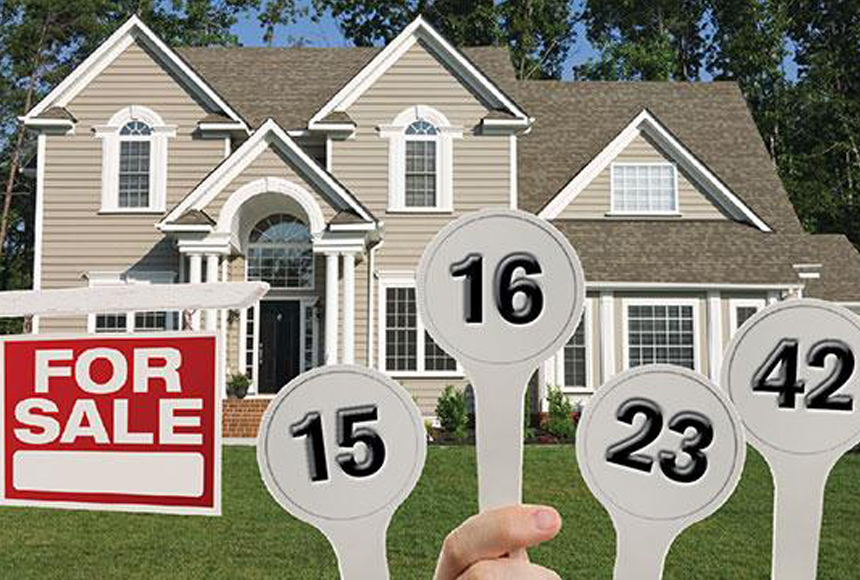
The California real estate market has been remarkable in recent years, with a severe inventory shortage and historically low mortgage rates fueling one of the strongest housing markets in generations. Read more...
The California real estate market has been remarkable in recent years, with a severe inventory shortage and historically low mortgage rates fueling one of the strongest housing markets in generations. As a result, navigating this hot sellers' market can be challenging for homebuyers, and as a real estate agent, it's your responsibility to help them avoid common mistakes. To further your real estate education, consider enrolling in a real estate school or taking online real estate classes. Remember to check out real estate exam prep resources as well.
One of the most critical errors homebuyers make in a hot market is hesitation. Properties sell rapidly, often before they're officially listed, and bidding wars can erupt within hours. Prepare your clients for this reality by emphasizing the importance of making fast, decisive (but not impulsive) choices. Additionally, if you're considering entering the real estate industry and are wondering how to get your real estate license, we have plenty of resources are available to help.
Set an appropriate budget from the beginning
Another common pitfall is failing to search for homes within a client's budget. Although market activity has inflated home values, homebuyers must stick to a realistic price range. Encourage your clients to establish a maximum budget early on and remind them to stay within those limits when searching for comparable properties.
When embarking on the journey of purchasing a home, it's essential to establish a budget before you begin your search. Setting a budget beforehand allows you to make informed decisions and avoid financial strain, ensuring a smoother and more enjoyable home-buying experience.
One of the primary reasons for setting a budget first is the ability to narrow your focus on properties that fall within your financial means. This targeted approach saves time and energy, as you will only waste valuable resources viewing homes within your reach. Furthermore, by understanding your budget constraints, you can identify homes with the most desirable features within your price range, ultimately leading to greater satisfaction with your final choice.
Additionally, having a predetermined budget in place helps prevent emotional decision-making. When you encounter a dream home beyond your financial capacity, it can be tempting to stretch your budget and make an impulsive offer. However, overextending your finances can result in long-term consequences, such as difficulty meeting mortgage payments or sacrificing other financial goals. By committing to a budget from the outset, you can resist the allure of unaffordable properties and maintain a disciplined approach throughout the home-buying process.
Finally, setting a budget before house hunting gives you a strong negotiating position. With a clear understanding of your financial limits, you can confidently make offers and negotiate with sellers, knowing you are making a well-informed decision. This confidence can enhance your credibility in the eyes of sellers and potentially lead to more favorable negotiation outcomes. In conclusion, establishing a budget before looking for homes is the right strategy for prospective homebuyers. By focusing on properties within your means, avoiding emotional decisions, and strengthening your negotiating position, you can ensure a successful and satisfying home-buying experience.
Don’t Act Out Of Impulse
The urgency of a hot market can also lead to impulsive decisions, with clients quickly making offers on dream homes they can't truly afford. As a real estate agent, it's your job to help clients maintain perspective and make informed choices, even in the face of rapid market movements.
As a Realtor, it is crucial to guide clients through the home-buying process and help them avoid making impulsive decisions. While the excitement and anticipation of purchasing a new home can be overwhelming, it is essential to consider the long-term implications of such a significant investment. Impulsive decisions can result in unforeseen challenges and financial strain, ultimately detracting from the client's satisfaction with their new home.
One of the primary risks of impulsive decision-making is the potential to overlook crucial details about a property. In haste to secure a seemingly perfect home, clients may need to pay more attention to thorough inspections, research on the neighborhood, or a careful review of the property's history. Failing to consider these factors can lead to unexpected issues, such as costly repairs, disputes with neighbors, or declining property values. By encouraging clients to take a measured approach to their home search, they are more likely to make a well-informed decision and enjoy long-lasting satisfaction with their investment.
Moreover, impulsive decisions can lead to financial strain and compromise a client's financial health. When clients become enamored with a home beyond their budget, they may be tempted to stretch their finances and make a hasty offer. Overextending financially can result in difficulty meeting mortgage payments, an increased risk of foreclosure, or sacrificing other critical financial goals, such as retirement planning or saving for a child's education. By guiding clients to remain focused on their predetermined budget and carefully evaluating each property, they can avoid financial pitfalls and ensure a successful, stable homeownership experience.
Don’t Skip the Home Inspection
Another common mistake is forgoing a professional home inspection. A thorough inspection can reveal critical issues with a property, such as structural problems, outdated electrical systems, or potential safety hazards. Skipping this step can lead to costly repairs and unexpected problems after moving in. Homebuyers should always invest in a reputable home inspector to ensure they make an informed decision and protect themselves from potential financial pitfalls.
Keep Additional Expenses In Mind
Many homebuyers focus solely on the purchase price of a home and need to account for the myriad of other expenses associated with homeownership. These include property taxes, homeowners insurance, maintenance costs, and homeowners association (HOA) fees. Neglecting to consider these expenses can lead to financial strain and may result in buyers purchasing a home they cannot truly afford. Homebuyers must research and budget for all related expenses before making an offer on a property.
Ultimately, both you and your clients want the best possible outcome. Guiding someone through the largest purchase of their life is a rewarding and fulfilling experience as a real estate agent. If you're considering entering the industry, visit ADHI Schools to get started on your real estate pre-licensing courses and take the quiz:Should I become a real estate agent?
Love,
Kartik
|